
Dave & Jan Ledbetter
Actual Patients of Dr. Samaha
Your teeth are an essential part of your overall health, function, and well-being. When they are damaged, weakened, or missing, it can affect not only how you eat and speak, but how your body functions as a whole. At Port Warwick Dental Arts, restorative dentistry is approached through a biological and holistic lens—restoring strength, beauty, and balance while supporting the body’s natural harmony.
Restorative dentistry refers to the art and science of rebuilding damaged, decayed, or missing teeth to their intended beauty and function. At Port Warwick Dental Arts in Newport News, Virginia, Dr. Lisa Marie Samaha combines her artistic eye with advanced clinical expertise to create beautiful, lasting results—always with careful attention to biocompatibility and long-term health.
Some of the restorative dentistry procedures used by Dr. Samaha are:
All Porcelain Inlays, Onlays, and Dental Crowns
Dental inlays are solid restorations used to fill larger areas left by decay or failing fillings. Onlays extend over the top of the tooth to rebuild its shape and strength. A dental crown covers the entire tooth, providing protection and restoring full function.
At Port Warwick Dental Arts, we offer tooth-colored restorative options using composite resin and porcelain (ceramic). These materials are chosen not only for their strength and aesthetics, but also for their biocompatibility—ensuring they are well tolerated by the body. This makes them a preferred alternative to traditional mercury-silver fillings.
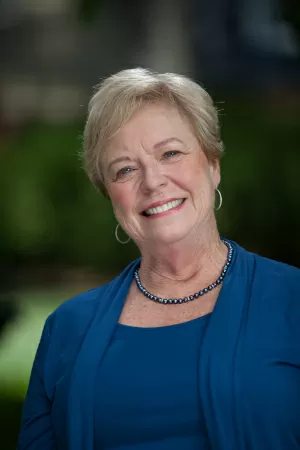
Suzie Wornom
Actual Patient of Dr. Samaha
In most practices, porcelain restorations are fabricated in an outside laboratory, requiring multiple visits. However, since 2002, Port Warwick Dental Arts has utilized advanced CAD/CAM technology known as CEREC 3D, allowing us to design and create inlays, onlays, and crowns in-office—often within a single visit.
The process is efficient and precise. After preparing the tooth, a digital optical image is taken—eliminating the need for traditional impressions or temporary restorations. The final restoration is then created and bonded during the same appointment.
Porcelain restorations are stronger and more durable than composite fillings, and their biocompatibility makes them a preferred choice for moderate to large restorations.
Composite Resin (Tooth-Colored) Fillings
At Port Warwick Dental Arts, we have never placed mercury-silver fillings. Instead, we use BPA-free composite resin materials that are both aesthetically pleasing and biologically compatible. These restorations provide a safe, conservative alternative that supports both oral health and overall wellness.
Dental Bridge
A dental bridge is used to replace missing teeth when dental implants are not a suitable option. Conventional and bonded bridges are the most common types, both requiring healthy surrounding teeth and adequate bone and gum support.
For a conventional dental bridge, artificial teeth are fused to crowns placed over adjacent teeth. This approach requires reshaping the supporting teeth and typically involves two appointments.
For a bonded dental bridge, an artificial tooth is attached to ceramic or metal wings that are bonded to adjacent teeth. This option is more conservative, requiring minimal alteration of natural tooth structure, and is often preferred when clinically appropriate.
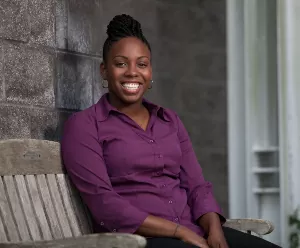
Carita Jester
Actual Patient of Dr. Samaha
When finances or clinical considerations require alternative solutions, we offer non-invasive options such as the “hugger” or “snap-on” dental bridge. These restorations are designed to gently attach to adjacent teeth without removing enamel, supporting a more conservative and biologically respectful approach.
Hugger Bridge: A simple, non-invasive solution that gently snaps into place and can be removed for cleaning.
Flexible Removable Dentures: Lightweight, comfortable, and conservative tooth replacement options that support ease of use and function.
Dental Implants
Dental implants are designed to replace natural teeth by integrating with the jawbone and supporting ceramic restorations that look and function like natural teeth. When placed with careful planning and biological consideration, implants offer a stable, long-term solution for missing teeth and can help restore both function and confidence.
Schedule a Consultation for a Restorative Dentistry Procedure in Newport News
If you have damaged or missing teeth, restorative dentistry can rebuild strength, restore function, and renew the natural beauty of your smile—while supporting your overall health. Call our Hampton area cosmetic and restorative dentistry office today or complete the form on this page to learn more about your options.